EMDR Therapy
Eye Movement Desensitization and Reprocessing for Trauma Recovery

What is EMDR Therapy?
Eye Movement Desensitization and Reprocessing (EMDR) is an evidence-based psychotherapy treatment that helps individuals process traumatic memories and reduce the emotional impact of trauma. Developed by Dr. Francine Shapiro in 1987, EMDR uses bilateral stimulation (typically guided eye movements) to help the brain naturally process and integrate traumatic experiences.
As an EMDR Level 2 trained therapist, I specialize in helping individuals recover from trauma, PTSD, and other distressing life experiences through this structured, eight-phase therapeutic approach.
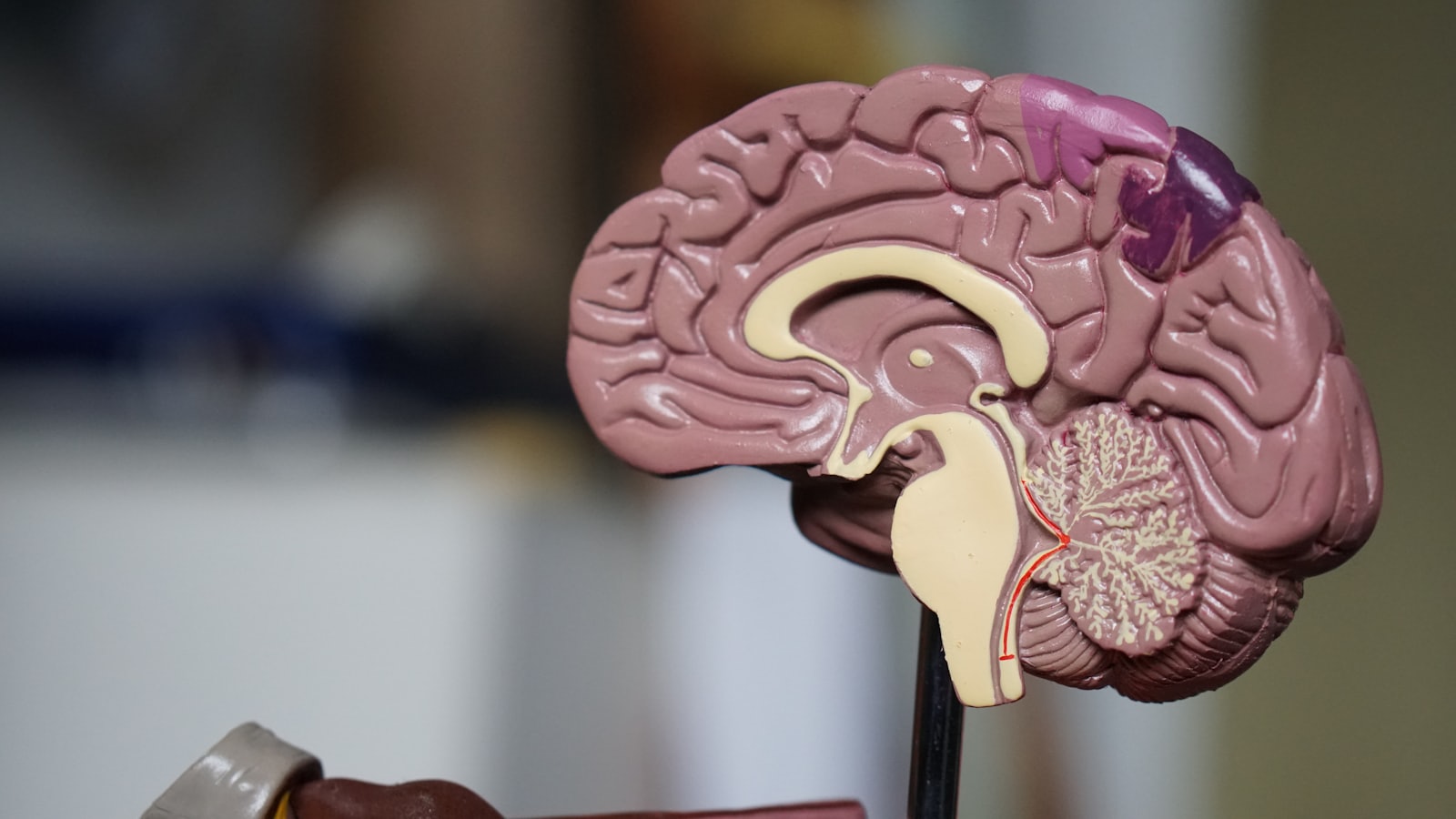
How EMDR Works
The Science Behind EMDR
EMDR is based on the Adaptive Information Processing (AIP) model, which posits that traumatic experiences can become "stuck" in the brain's neural networks, causing ongoing distress. Through bilateral stimulation, EMDR helps:
- Activate the brain's natural healing processes
- Reconnect traumatic memories with adaptive information
- Reduce the emotional charge of traumatic experiences
- Transform negative beliefs about oneself
- Promote positive resolution and healing
What to Expect in EMDR Sessions
EMDR therapy follows a structured, eight-phase approach:
- History-taking: Comprehensive assessment of your trauma history and current symptoms
- Preparation: Building coping skills and explaining the EMDR process
- Assessment: Identifying target memories and negative beliefs
- Desensitization: Processing traumatic memories with bilateral stimulation
- Installation: Strengthening positive beliefs and cognitions
- Body scan: Checking for residual physical tension
- Closure: Ensuring stability before ending the session
- Reevaluation: Assessing progress and planning future sessions
Conditions EMDR Can Help
Trauma and PTSD
- Single-incident trauma
- Complex PTSD
- Childhood trauma and abuse
- Combat and military trauma
- Accident and injury trauma
- Medical trauma
- Sexual assault and violence
Anxiety Disorders
- Panic disorder
- Generalized anxiety
- Social anxiety
- Phobias
- Performance anxiety
Other Conditions
- Depression related to trauma
- Grief and loss
- Dissociative disorders
- Eating disorders
- Chronic pain with trauma component
- Attachment issues
- Substance use disorders
Performance and Personal Growth
- Sports performance enhancement
- Creative blocks
- Personal growth challenges
- Stress management
Benefits of EMDR Therapy

- Evidence-based: Recognized by APA, WHO, and SAMHSA as effective for PTSD
- Rapid results: Many clients experience significant improvement in 6-12 sessions
- Non-invasive: No medications or exposure to traumatic details required
- Comprehensive: Addresses past trauma, present triggers, and future coping
- Long-lasting: Results are typically permanent
- Holistic: Integrates mind, body, and emotion
- Safe: Closely monitored therapeutic process
- Versatile: Effective across age groups and trauma types
My EMDR Training and Certification
As an EMDR Level 2 trained therapist, I have completed comprehensive training in Eye Movement Desensitization and Reprocessing through an EMDRIA-approved training program. My certification ensures that I can provide safe, effective EMDR therapy while maintaining the highest professional standards.
I regularly participate in advanced EMDR training and consultation to stay current with the latest research and techniques, ensuring my clients receive the most effective trauma treatment available.
Ready to Begin EMDR Healing?
Discover how EMDR therapy can help you process traumatic memories and find relief from PTSD symptoms. As an EMDR Level 2 trained therapist, I'm here to guide you through this evidence-based trauma treatment.
Call Now: 541-363-8817 Email for Consultation
EMDR sessions are held by telehealth, and same-week appointments are available.
Insurance accepted
- Cascade Health Alliance (CHA)
- Oregon Health Plan (OHP)
- Atrio
- Aetna
- Moda
- Providence
- Regence
- Cigna
- TriWest
- Evernorth
If your plan is not listed, ask during the consultation call.
Common questions
What is EMDR therapy?
EMDR (Eye Movement Desensitization and Reprocessing) is an evidence-based psychotherapy treatment that uses bilateral stimulation, typically guided eye movements, to help individuals process traumatic memories and reduce the emotional impact of trauma.
How does EMDR work?
EMDR works by stimulating both sides of the brain through guided eye movements or other bilateral stimulation while you focus on traumatic memories. This helps the brain naturally process and integrate the traumatic experience, reducing its emotional charge.
What conditions can EMDR treat?
EMDR is particularly effective for PTSD, trauma, anxiety disorders, depression related to trauma, phobias, panic disorder, and various trauma-related conditions. It’s recognized by the American Psychological Association and World Health Organization as a treatment for PTSD.
How long does EMDR treatment take?
Most clients experience significant improvement within 6-12 EMDR sessions. The exact number depends on the complexity of the trauma and individual response to treatment. Sessions are typically 50 minutes each.
Is EMDR safe?
Yes, EMDR is very safe when conducted by a trained professional. It’s a non-invasive treatment that doesn’t require medication or detailed verbal recounting of traumatic events. The process is closely monitored and can be stopped at any time.
How much does EMDR therapy cost?
Individual EMDR sessions start at $150 for 50 minutes. We offer a free 15-minute phone consultation to discuss your needs and determine if EMDR is appropriate for you.