Mental Health Education Resources
How the nervous system works
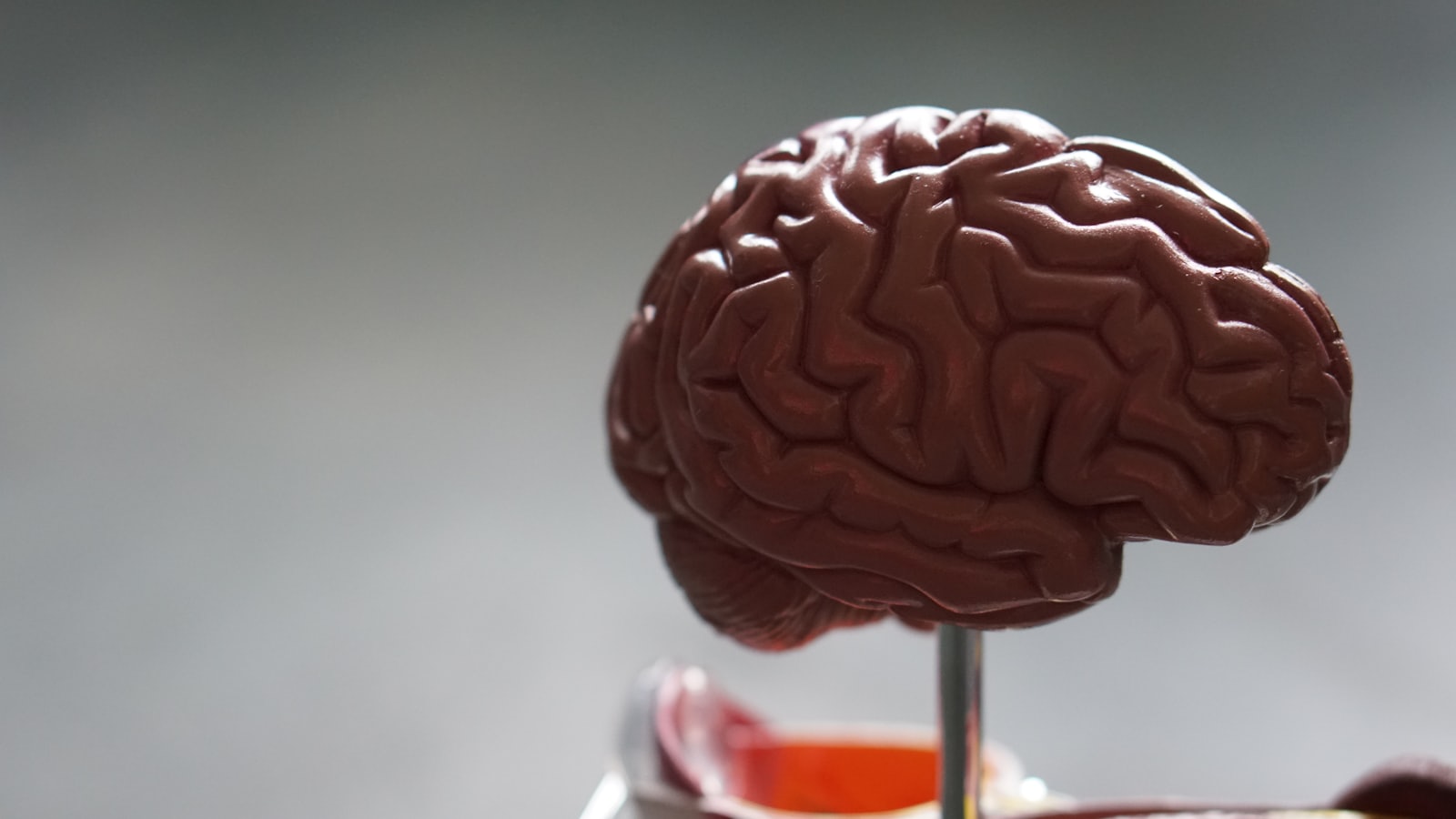
Brain Model
Dr. Dan Siegel video
Sympathetic Nervous System (Excitation)

The sympathetic nervous system is one of the two main branches of the autonomic nervous system, which controls involuntary functions of the body such as heart rate, blood pressure, digestion, and respiratory rate. The sympathetic nervous system is responsible for the body’s “fight or flight” response to stress or danger, which involves increasing physiological arousal and preparing the body for action.
When the sympathetic nervous system is activated, it causes the release of the neurotransmitter adrenaline (epinephrine) from the adrenal glands, which in turn triggers a series of physiological responses in the body. These responses include increased heart rate and blood pressure, dilation of the pupils, increased blood flow to the muscles, increased respiration rate, and decreased activity in the digestive system.
Various factors, such as stress, fear, anxiety, or physical exertion can activate the sympathetic nervous system. When activated, it prepares the body to respond to the perceived threat or challenge by increasing physiological arousal and energy levels, which can be beneficial in certain situations but can also have adverse effects if activated too frequently or for prolonged periods of time.
Parasympathetic Nervous System (Relaxation)

The parasympathetic nervous system is the other main branch of the autonomic nervous system, which works in opposition to the sympathetic nervous system to maintain homeostasis and restore the body to a state of rest and relaxation.
When the parasympathetic nervous system is activated, it causes the release of the neurotransmitter acetylcholine, which has the opposite effect of adrenaline. It slows down the heart rate and breathing, constricts the pupils, stimulates digestion and the secretion of digestive enzymes, and promotes rest and relaxation.
The parasympathetic nervous system is most active during periods of rest, digestion, and recovery. It helps to conserve energy, regulate metabolic processes, and promote tissue repair and regeneration. It also involves various physiological functions such as sexual arousal, urination, and defecation.
The balance between the sympathetic and parasympathetic nervous systems is essential for maintaining optimal health and well-being. An imbalance between the two systems can lead to various health problems, such as anxiety, depression, digestive disorders, cardiovascular diseases, and immune dysfunction.
Common questions
What educational resources do you provide?
We provide educational resources about mental health, neuroscience basics, brain models, the sympathetic nervous system, and therapeutic techniques. These resources help you better understand yourself and improve your emotional well-being.
Why is understanding neuroscience important for mental health?
Understanding neuroscience helps you recognize how your brain and nervous system respond to stress, anxiety, and other emotions. This knowledge empowers you to better manage your mental health and make informed decisions about your well-being.
Are these educational resources free?
Yes, our educational resources are freely available to help increase mental health awareness and understanding. We believe that education is a powerful tool for improving mental health outcomes.
How can I use these educational resources?
You can use these resources to better understand your mental health, learn about therapeutic techniques, and gain insights into how your brain works. They’re designed to complement therapy sessions and support your mental health journey.
Do you provide resources for specific mental health conditions?
Our educational resources cover general mental health topics, neuroscience basics, and therapeutic techniques. For specific conditions, we recommend consulting with a mental health professional who can provide personalized guidance and treatment.
How often do you update your educational resources?
We regularly update our educational resources to reflect the latest research and best practices in mental health and therapy. We’re committed to providing accurate, up-to-date information to support your mental health journey.